CSOs urge ASEAN leaders to take a strong stance in the ongoing negotiations to develop an international legally binding instrument to address plastic pollution, including in the marine environment.
18 April 2024; Jakarta, Indonesia— Today, the Global Alliance for Incinerator Alternatives (GAIA) Asia Pacific, together with other civil society organizations including Environmental Justice Foundation and Basel Action Network, transmitted a letter to the office of the Association of Southeast Asian Nations (ASEAN) Secretariat, calling for ASEAN leadership to take a strong stance in the ongoing negotiations for the global instrument to end plastic pollution.The letter was signed by over 100 civil society organizations (CSOs) from across Asia and the world.
Delegates from ASEAN member states— together with about 170 member states of the United Nations are set to gather in Ottawa, Canada for the fourth meeting of the International Negotiating Committee (INC-4) to develop an international legally binding instrument to end plastic pollution, including in the marine environment, from April 23 to 29, 2024.
Southeast Asia, much of which forms an archipelago with islands severely impacted by marine debris, is also polluted at various stages throughout the plastic supply chain, from the extraction of fossil fuels to manufacturing of plastics and plastic products, transportation, use, and disposal. Countries in Southeast Asia also bear the brunt of continuous illegal plastic waste trade from developed countries, making the region a dumping ground for wastes that are not recyclable. From single-use plastics to microplastics and toxic pollution from incineration, the unabated global plastic production will keep communities in Southeast Asia at the receiving end of a disproportionate burden of toxic pollution unless ASEAN countries take action.
“ASEAN leaders must take the Global Plastics Treaty as an opportunity for addressing policy gaps on waste dumping and pushing for greater accountability to northern governments whose interest is to keep depicting the region as the most globally polluting to create the fake demands for its polluting waste technologies in various development cooperation mechanisms, all while dumping their plastic waste in our borders,” said Mayang Azurin, Deputy Director for Campaigns of Global Alliance for Incinerator Alternatives (GAIA) Asia Pacific. “We urge ASEAN to protect the region as the home for empowering, sustainable and proven solutions by ensuring an ambitious Global Plastics Treaty.”
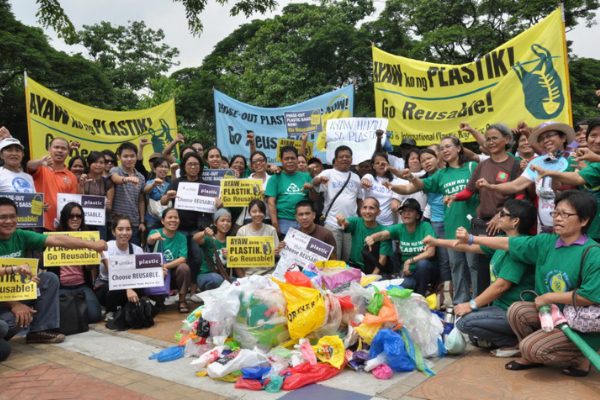
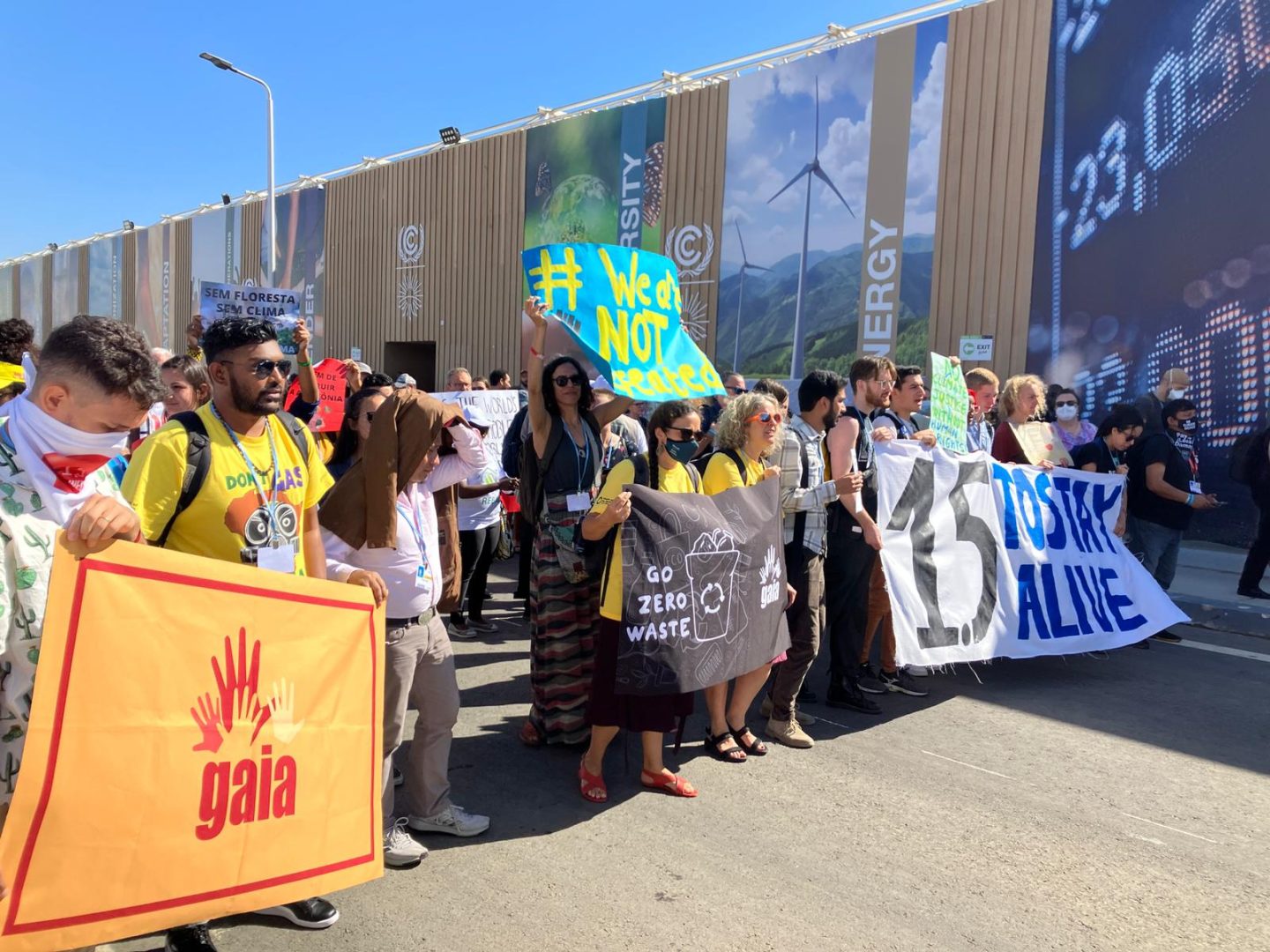
CSOs from across the region call on ASEAN delegates to step up for a binding treaty that truly addresses pollution across the full life cycle of plastics, prioritizing reduction in global plastic production and phasing out of hazardous chemicals, including polymers that make up plastics. It is time to end decades of waste colonialism; eliminate toxins; ensure transparency and traceability of chemicals across the plastic life cycle; scale up reuse and refill infrastructure; implement extended producer responsibility; safeguard human rights, especially people’s right to health, clean air and water; support just transition; and put an end to false solutions, such as plastic credits and technologies that do not address pollution at source, as well as regrettable plastic substitutes such as biobased plastics which only exacerbate the problem. With only a few months left for treaty negotiations, INC-4 is a crucial reminder for Member States to protect the rights of their people whose livelihoods, well-being, intergenerational and gender justice all hang loose on the fate of the prospective treaty.
“We call on the ASEAN member countries to negotiate a plastics treaty that contains strong, legally binding control provisions to protect human health and the environment,” said Chinkie Pelino-Golle, International Pollutants Elimination Network (IPEN) Southeast and East Asia Regional Coordinator. “To do so, solutions that prevent adverse impacts on human health and the environment, including the elimination of toxic chemicals and increased transparency and traceability throughout the full life cycle of plastics must be prioritized.”
The groups emphasized how ASEAN can pave the way for an effective treaty, noting the many citizen-led solutions in Southeast Asia and the demonstrated efforts of national governments in the region to implement policies to curb plastic pollution. Now is the time to take these approaches at a global scale with legally binding agreements.
“ASEAN is pivotal for implementing creative and practical solutions to combat plastic pollution. Yet, for far too long, the region has suffered from an oversupply of problematic, single-use, and unnecessary plastic packaging, often containing unregulated toxic chemicals,” said Salisa Traipipitsiriwat, Senior Campaigner and Southeast Asia Plastic Project Manager of the Environmental Justice Foundation. “Inadequate infrastructure and policy gaps have subjected it to ineffective solutions that keep the business as usual. The Global Plastic Treaty represents a unique chance for ASEAN leaders to demonstrate their ability, commitment, and readiness to address plastic pollution. INC-4 and INC-5 are crucial times for ASEAN leaders—our leaders—to demand a strong and ambitious treaty that puts people and the planet at the forefront.”
After the INC-4, U.N. member states will reconvene in November 2024 in South Korea for the fifth and final round of negotiations.
Abdul Ghofar, Pollution and Urban Justice Campaigner of Wahana Lingkungan Hidup Indonesia (WALHI), said:
“ASEAN countries have been a place where developed countries dump their waste in the name of waste trade. ASEAN is also the largest market for multinational companies that produce millions of tons of plastic waste, especially sachets. They make profits, while we get problems. The Global Plastic Treaty is a great opportunity for ASEAN countries to show the world that we are not the main source of plastic pollution, but we are the source of solutions to overcome plastic pollution. We as ASEAN citizens hope that ASEAN leaders can lead by example by supporting efforts to end waste colonialism, reduce plastic production and mainstream reuse ecosystems.”
Mageswari Sangaralingam, Senior Research Officer of Consumers’ Association of Penang & Sahabat Alam Malaysia, said:
“It is clear that we cannot recycle our way out of the plastic crisis. Plastic circularity or sustainability are false narratives. The world needs to stop producing unnecessary, hazardous plastics, and reduce plastic production on the whole, all while ensuring a Just Transition for the most vulnerable groups, indigenous communities, and workers across the plastics value chain including, waste pickers, waste workers, and those working in the recycling value chain. ASEAN should be in the forefront as our communities have the solutions to end the plastic crisis.”
Xuan Quach, Coordinator/Country Director of Vietnam Zero-Waste Alliance/Pacific Environment Vietnam, said:
“There are many big hurdles to the treaty’s progress, one of which is how to ensure a just transition in the treaty’s design. This may be related to exemption provisions. There is a great need for scientific research to provide criteria and indicators to determine exemption rights for country members. Break Free From Plastic may propose to include the criteria and indicators for determining exemption rights in the appendix and undertake the development of this set of criteria and indicators. Additionally, a mandatory implementation of provisions on ‘product design, composition and performance’ globally will create an opportunity for all member countries to act together in close cooperation of all stakeholders in the global supply chain towards a sustainable plastic production and consumption.”